Specialties
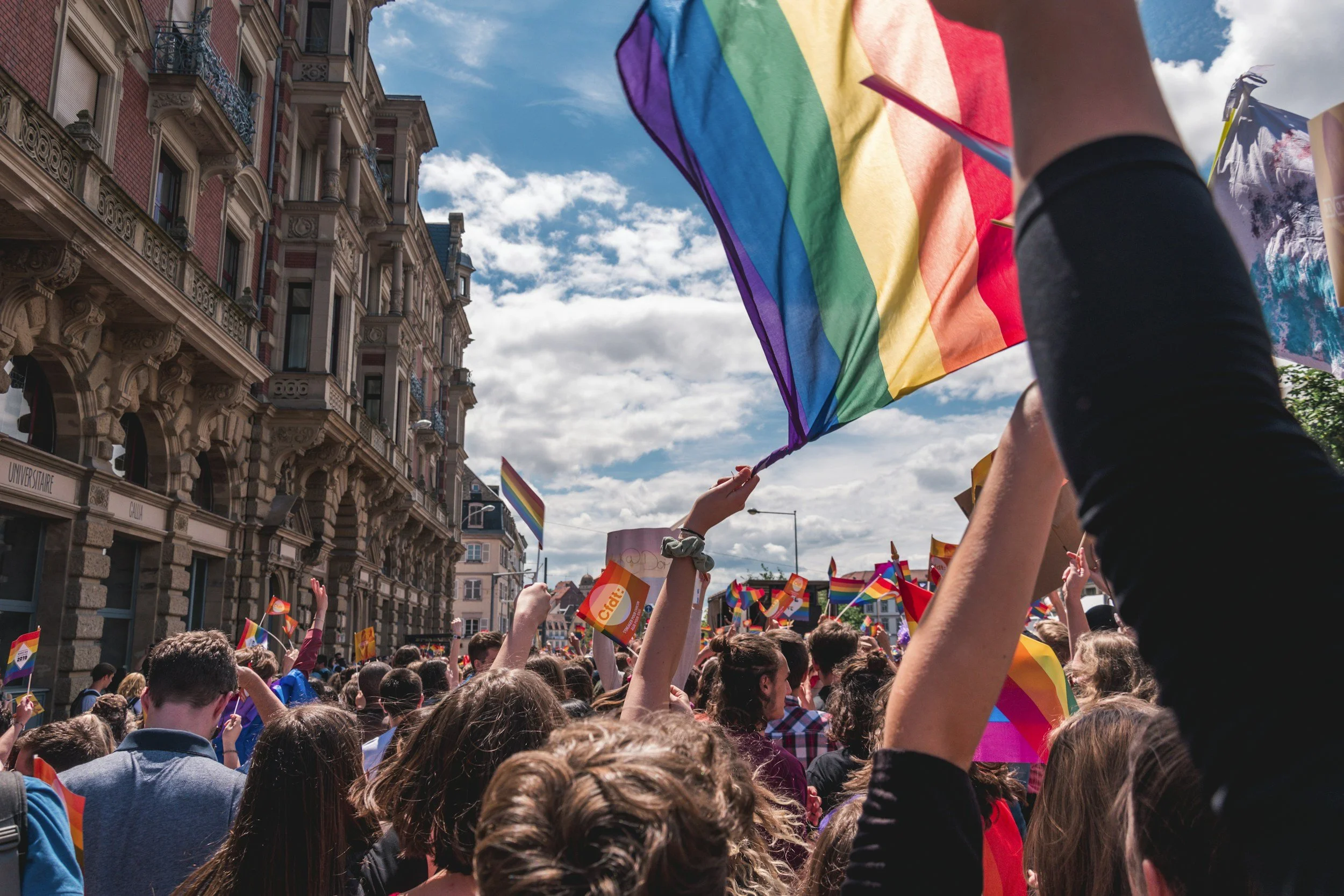
Specializing in counseling for teens, young adults, and adults who identify as LGBTQIA+, neurodivergent, chronically ill, and/or have religious trauma or want to integrate religion/spirituality.
Why those communities?
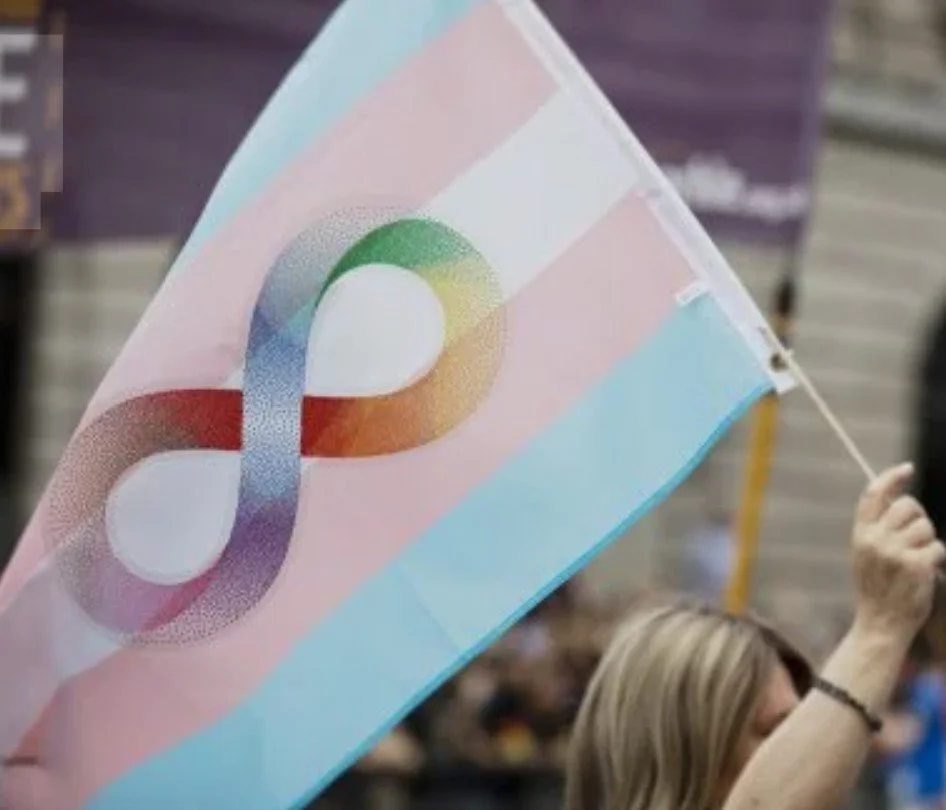
LGBTQ+, Neurodivergent, Chronically Ill, & Religion/SpiritualityAs a queer, trans-masc, neurodivergent, and chronically ill therapist, my specialties are intimately connected to the spaces I navigate every single day. While I haven’t walked directly in your shoes, living at these intersections gives me a profound, firsthand understanding of what it means to face the unique challenges, societal pressures, and systemic barriers of being LGBTQIA+, trans, neurodivergent, and disabled in our world today. You don't have to explain the baseline of your identity here—I get it, and I see you.
Alongside my lived experience, I bring a deep professional background in exploring faith, meaning, and inner healing. I hold a Bachelor’s degree in Religious Studies and a Master’s degree in Pastoral Clinical Mental Health Counseling.
Religion and spirituality can be deeply complex. I am extensively trained in helping individuals heal from religious trauma and spiritual hurt. At the same time, for those who wish to draw upon their faith or spiritual practices, I love gently integrating these elements into our sessions to help you discover purpose, hope, and resilience through life’s greatest difficulties. Whether you are looking to deconstruct, heal, or reclaim your spirituality, we will move at your pace.
Approaches
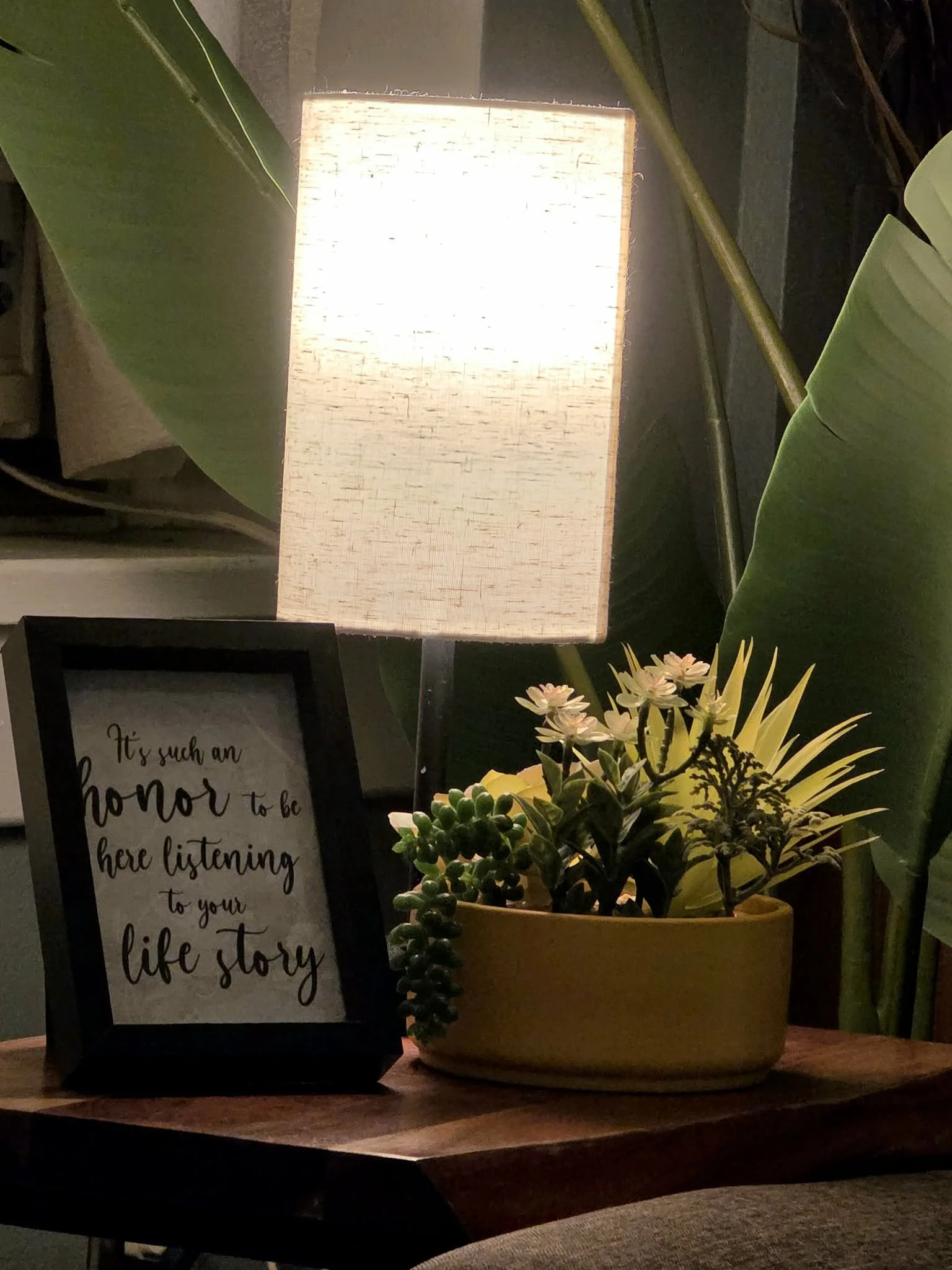
First and foremost, I practice a Person-Centered, Rogerian approach. I truly believe that deep connection, mutual trust, and unwavering, nonjudgmental acceptance are the keys to a transformative therapeutic relationship. From that safe foundation, I draw from a rich toolkit of modalities to tailor our sessions to your unique life.
I am DBT skills-trained and frequently teach practical Dialectical Behavior Therapy tools to help clients navigate overwhelming emotions and build day-to-day resilience. I am also IFS-informed, meaning I regularly utilize an Internal Family Systems "parts-work" lens to help individuals gently untangle and heal from trauma.
Because I am passionate about providing deeply affirming care, I hold a certification as an Autism Spectrum Disorder Clinical Specialist (CASDCS), ensuring my neurodivergent clients have a space free from the pressure to mask. Finally, my background in pastoral counseling allows us to integrate a spiritual lens into your sessions whenever you want to explore deeper questions of meaning, faith, or purpose.
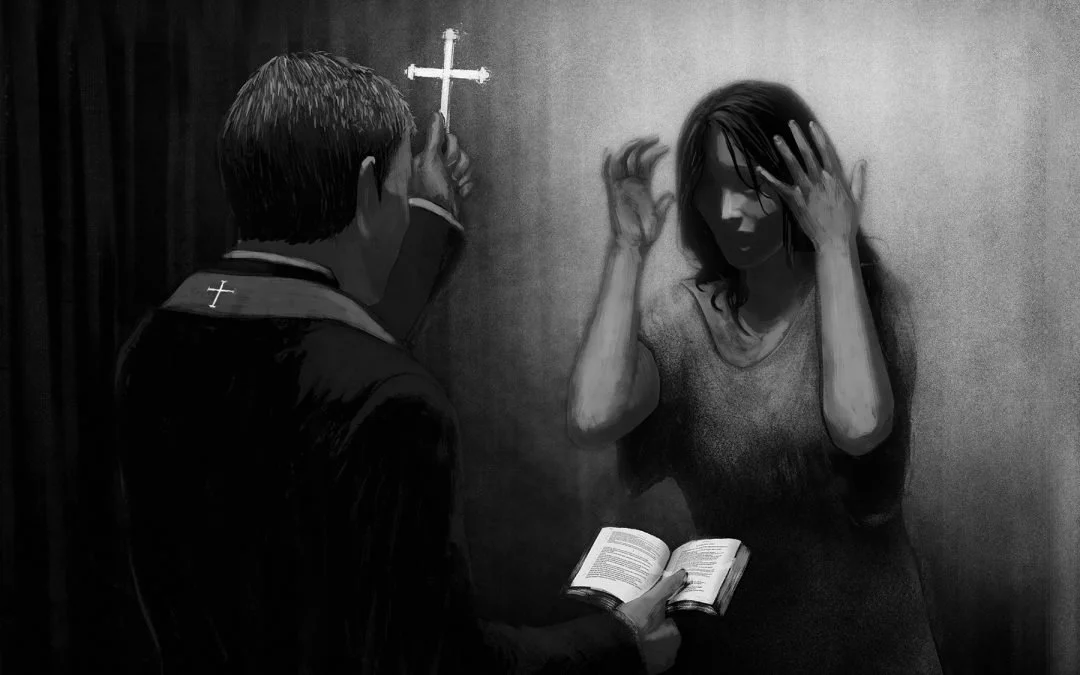
Religious Trauma
Religious and spiritual traditions have the potential to offer deep connection, meaning, and comfort. However, when those same systems become sources of control, shame, exclusion, or abuse, they leave profound emotional and spiritual wounds. When the very foundation you relied on for safety and strength causes you harm, it can shatter your sense of self and the world.
Religious trauma is real, it is valid, and it affects far more people than most realize. It often manifests as chronic anxiety, persistent guilt, identity confusion, hypervigilance, or a profound difficulty trusting others. These hidden experiences shape how we view our worth, our safety, and our connection to the world around us.
Wherever you are on your journey—whether you are actively unpacking a shame-based environment, navigating the complex layers of deconstruction, or seeking to reclaim your own values and voice—I am here to walk alongside you. My approach honors your boundaries and your emotional well-being. Whether your goal is to safely step away from religion entirely, or eventually reconnect with a Higher Power on your own authentic terms, you set the pace. Your truth is safe with me.